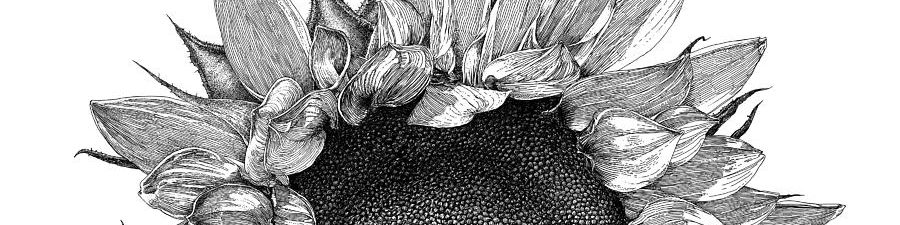

Wordless Wednesday – 28.1.26

I see the world
opening like a door.
Quiet,
as light spills
into corners I once feared.
Shadows lean back,
softened by the patient morning.
A bated breath,
and colour rises from silence.
Gathering courage,
every moment becomes a lens,
polishing truth until it shines.
Light circles quietly
around the edge of seeing.
And in the small gleam
of an unnoticed leaf,
I recognise myself again.
By Sarah © 2026
Sammi Scribbles, Weekend Writing Prompt: vision (66 words*)
*word count includes title

Theme:
A reflection on our world
Haiku:
We pluck grand rivals,
radical muck between the waste.
There to consume peace.

By Sarah © 2026


one by one they wait
two by two – still going nowhere
queue, the number
By Sarah © 2026

Today marked the end of the road trip, with the destination finally reached.
A lovely stay at The Oak Cottages in Hahndorf meant a leisurely start to the day. Breakfast at Same But Different was excellent, paired with a genuinely good coffee. Always a win.
The morning was spent wandering through Hahndorf’s main street. Founded in 1839 by Prussian settlers, it is Australia’s oldest surviving German settlement. The heritage buildings, small galleries, and food shops give the town its charm. It is touristy, yes, but still delightful… and great shopping too!
The next stop was Shaw + Smith for wine tasting and lunch. The winery was established in 1989 by cousins Michael Hill Smith and Martin Shaw, with a focus on cool climate wines from the Adelaide Hills. Their vineyards are known for elevation, careful site selection, and restraint in winemaking.
The Balhannah Shiraz single vineyard premium flight experience was superb. Concentrated, elegant, and beautifully structured. Dark fruit, spice, and fine tannins across the range. As expected, my favourite was the 2017 vintage, also the most expensive. No regrets.
It was then time to head down the freeway over the Adelaide Hills and check into the boutique accommodation located in the CBD. A quick refresh and it was straight back out to Adelaide Oval for the Big Bash match between the Adelaide Strikers and the Sydney Thunder.
It was a close game and a fun night. Great atmosphere, good cricket, and a perfect way to wrap up the road trip chapter.
The road trip has now officially concluded. The next few days will be spent at the beach, catching up with my BFF, and enjoying what Adelaide has to offer, until it’s time to head home on Friday.
So… That’s it for me for this year’s Summer Series.
Until next time.
Here are some of my favorite pictures from Day 11…


A big driving day unfolded, heading east from Port Lincoln to Hahndorf, covering a remarkable cross section of South Australia along the way.
The first stop was Tumby Bay, a small coastal town on the eastern side of the Eyre Peninsula. Established in the late 1800s, Tumby Bay developed as a service centre for surrounding wheat and sheep farms, with its jetty playing a key role in exporting grain before modern transport took over. Today it is best known for its relaxed seaside feel, fishing culture, and growing creative scene. The silo art near the waterfront is a standout, reflecting local life and drawing visitors into town. A coffee stop at Hello Spencer turned out to be one of the best of the trip, and wandering the streets revealed Tumby Bay’s reputation for street art. Finding each mural and taking time to look closely added an unexpected and very enjoyable layer to the visit.
Further north, Arno Bay came next. Originally known as Blight, the town was renamed in the early 1900s and has long been tied to fishing, oyster farming, and agriculture. Its location on Franklin Harbor makes it a popular spot for boating and seafood, and the foreshore reflects that connection to the water. The boardwalk and coastal path are particularly impressive, offering wide views across the harbour and a strong sense of the town’s quiet, working waterfront character.
Much of the day’s driving retraced the route back from Port Lincoln toward Lochiel. Passing through Whyalla again provided a quick but necessary stop for fuel, both for the car and for lunch.
After reaching Lochiel, we chose a different route turning inland and across the Adelaide Plains, passing through a series of historic towns. Balaklava, founded in the 1860s, grew rapidly as an agricultural hub servicing surrounding grain farms and is known for its wide streets and heritage buildings. Mallala has a long farming history and is also associated with motorsport, thanks to the Mallala Motor Sport Park which brought a different kind of fame to the area.
Gawler, one of South Australia’s oldest towns, was established in 1837 and played a crucial role in the colony’s early expansion, with many well-preserved historic buildings still lining its streets.
Gumaracha, set at the edge of the Adelaide Hills, is closely tied to timber milling and is famous for its association with the Big Rocking Horse, a reminder of the region’s forestry past.
One of the most striking aspects of the day was the dramatic change in landscapes. The journey moved from coastal scenery to salt marshes and mangroves, across salt plains, through rolling pastoral country, and into classic Australian bush. Red cliffs and hints of outback gave way to thicker bushland, before finally reaching the green vineyards and cooler air of the Adelaide Hills.
Dinner capped off the day at an absolute favourite, the German Arms Hotel in Hahndorf. A local Pinot Noir paired perfectly with the famous Giant German Hotdog (which was well and truly conquered).
Afterwards, a short walk led to the Eis Haus for dessert and a warming das boot of mulled wine, a fitting finish after a long and varied day on the road.
Here are some of my favourite pictures from Day 10…


It was an early start heading west toward Coffin Bay and Coffin Bay National Park. A quick stop for coffee and a sandwich set the scene for the day, with supplies packed and ready for the road ahead.
Coffin Bay sits on the western edge of the Eyre Peninsula, a place shaped by wind, sea and isolation. The bay was named in 1802 by explorer Matthew Flinders, likely after a shipmate rather than anything darker. For generations it has been tied to fishing, oyster farming and a tough coastal lifestyle, with a small township that feels purpose built for the water it faces.
Venturing into Coffin Bay National Park meant slowing right down. Established in 1967, the park protects a vast sweep of coastal dunes, heath, mallee and saltmarsh. Much of it is only accessible by high clearance four wheel drive, so a two wheel drive visit narrows the options, but not the beauty.
The first stop was at Templeton Lookout. The lookout sits above sweeping sand dunes and gives a wide view over the southern coastline, a chance to understand the scale and wildness of the park. It is named after early pastoral interests in the region and today serves as one of the best vantage points for seeing how land and sea collide here.
Next was Yangie Bay, a calm inlet with a long Aboriginal history. The area is part of the traditional lands of the Barngarla people, who lived along these coasts for thousands of years, relying on shellfish, fish and coastal plants. European use later focused on fishing and grazing, but the bay has largely returned to a quiet, natural rhythm.
From there it was just under three kilometre to complete the lookout loop. The trail wound past views over the bay, rocky headlands and broad saltmarshes that change colour with the light. Curious emus wandered close, and kangaroos appeared only after careful watching, huge and perfectly camouflaged in the scrub.
The campground facilities added a moment of drama. The long drop toilet came with a cloud of bees that seemed far too interested in my presence, a reminder that this park is not overly curated for comfort!
Continuing on, stops at Avoid Bay, Golden Island and other lookouts reachable by two wheel drive. It ruled out much of the park, unfortunately, but what was accessible was still breathtaking and well worth the effort.
Afterwards came what I had really come for, the oysters. Coffin Bay oysters are famous for a reason. Oyster farming here began in the 1960s, when the clean, cold waters were recognised as ideal for cultivation. The industry has since become central to the local economy and identity, known for producing plump oysters with a clean, briny flavour.
A stop at Oyster HQ, right on the waterfront overlooks a working oyster farm. Plates of natural oysters and topped varieties were consumed! They were fresh and unmistakably local. It was simple, indulgent yet deeply satisfying.
The day finished with a scenic drive through Lincoln National Park. Proclaimed in 1945, the park protects rugged coastline, bushland and sheltered bays east of Port Lincoln. Boston Bay spread out below, is often described as one of Australia’s largest natural harbours,. Its calm waters hold beaches that felt pristine and almost private. It looked like a personal sanctuary, a quiet end to a full day on the Eyre Peninsula.
Here are some of my favourite pictures from Day 9…


 By Sarah